With hundreds of IPTV providers flooding the market, choosing the right one can feel overwhelming. Whether you’re cutting the cord from traditional cable or looking for better streaming options, understanding what separates quality iptv providers from mediocre ones is essential. The confusion is understandable—some providers promise thousands of channels at impossibly low prices, while others charge premium rates without explaining why.
This guide explains everything you need to know about IPTV providers to make a confident, informed decision. You’ll learn what these providers actually do, how they differ from each other, what features matter most, and exactly what to look for when evaluating your options. By the end, you’ll understand how to choose iptv provider that matches your specific needs, budget, and viewing habits. Let’s cut through the marketing noise and focus on what really matters.

Table of Contents
ToggleWhat Are IPTV Providers?
IPTV providers are companies that deliver television content through internet connections instead of traditional cable lines or satellite signals. Think of them as the bridge between streaming technology and your favorite TV channels. Rather than relying on physical infrastructure like cable companies do, these providers use internet protocols to transmit live TV, on-demand content, and streaming services directly to your devices.
Here’s how they work in simple terms: iptv service providers maintain servers that store and broadcast content. When you want to watch something, your device connects to their servers through your internet connection, and the content streams to your screen in real-time. It’s similar to how Netflix delivers movies, except IPTV providers typically offer live television channels alongside on-demand content.
What makes IPTV different from cable or satellite? Traditional providers require specific hardware installations, long-term contracts, and limited flexibility. IPTV providers offer more freedom—you can watch on multiple devices, access content from anywhere with internet, and often enjoy better pricing flexibility. The content itself might be similar (news channels, sports networks, entertainment), but the delivery method is entirely different.
People choose IPTV providers for several reasons. Cost savings compared to cable packages attract many users. Others appreciate the flexibility to watch on phones, tablets, computers, and smart TVs without additional equipment. The ability to access international channels not available through traditional providers also drives adoption.
The IPTV industry has grown exponentially in recent years. As internet speeds improved and streaming technology became more reliable, millions of households worldwide shifted from traditional television to IPTV solutions. This growth has created both opportunities and challenges—more choices for consumers, but also more difficulty distinguishing quality providers from unreliable ones.
Types of IPTV Providers
Understanding the different categories of IPTV providers helps you narrow down options that align with your needs and expectations.
| Provider Type | Price Range | Best For |
|---|---|---|
| Premium | $20-40/month | Users wanting best quality & support |
| Budget | $5-15/month | Casual viewers prioritizing cost savings |
| Specialized | $15-30/month | Sports fans or international content needs |
Premium IPTV Providers
Premium providers position themselves at the higher end of the market, offering extensive channel lineups, superior streaming quality, and comprehensive customer support. These iptv service providers typically charge more per month but justify pricing through reliability, better server infrastructure, and additional features like extensive video-on-demand libraries and multi-screen viewing.
Premium providers often include 4K streaming capabilities, minimal buffering, and professional-grade customer service available around the clock. They invest heavily in server capacity to handle high traffic without performance degradation. While monthly costs might range from $15 to $30 or more, users generally experience fewer technical issues and more consistent service quality.
Budget IPTV Providers
Budget providers focus on affordability, offering basic channel packages at lower monthly rates. These providers might charge $5 to $15 monthly but often make trade-offs in areas like customer support response times, streaming quality during peak hours, or channel availability. They’re suitable for casual viewers who prioritize cost savings over premium features.
The main consideration with budget providers is understanding what you’re sacrificing for lower prices. Slower support responses, occasional buffering, or limited device compatibility might be acceptable if your viewing needs are modest. However, if you watch frequently or rely on specific channels, investing slightly more in a mid-tier provider often delivers better value.
Specialized IPTV Providers
Some providers cater to specific audiences rather than offering general content. Sports-focused IPTV providers concentrate on delivering comprehensive sports coverage, including international leagues and niche sporting events. International content specialists offer channels from specific countries or regions, serving expatriate communities or multilingual households.
These specialized providers excel in their niche but may offer limited content outside their focus area. If you primarily want international programming from a specific country or extensive sports coverage, a specialized provider might serve you better than a general one.
Subscription-Based vs Pay-Per-View
Most iptv providers operate on subscription models, charging monthly, quarterly, or annual fees for unlimited access to their content library. This predictable pricing works well for regular viewers who watch consistently.
Pay-per-view models charge only for specific events or content you actually watch. While less common in IPTV, some providers offer hybrid approaches, combining base subscriptions with additional pay-per-view options for premium events like major sports championships. The subscription model typically offers better value for frequent viewers, while pay-per-view suits occasional users.
What Do IPTV Providers Offer?
Quality IPTV providers deliver a comprehensive entertainment package that goes beyond basic channel access. Understanding what’s typically included helps you evaluate whether a provider meets your needs.
The core offering from any IPTV provider is live television channels spanning multiple categories. Sports channels broadcast games, matches, and sporting events in real-time. News networks keep you informed with current events coverage. Entertainment channels offer shows, movies, and series. Many providers also include international channels from various countries, serving diverse linguistic and cultural preferences. The best iptv providers curate channel lineups thoughtfully rather than just maximizing numbers.
Beyond live channels, most providers offer extensive on-demand libraries. This includes movies you can watch anytime, TV series with full seasons available, and catch-up TV functionality that lets you watch recently aired programs you missed. The size and quality of on-demand libraries vary significantly between providers, with some offering 100,000+ titles while others focus primarily on live content.
Video Quality Options
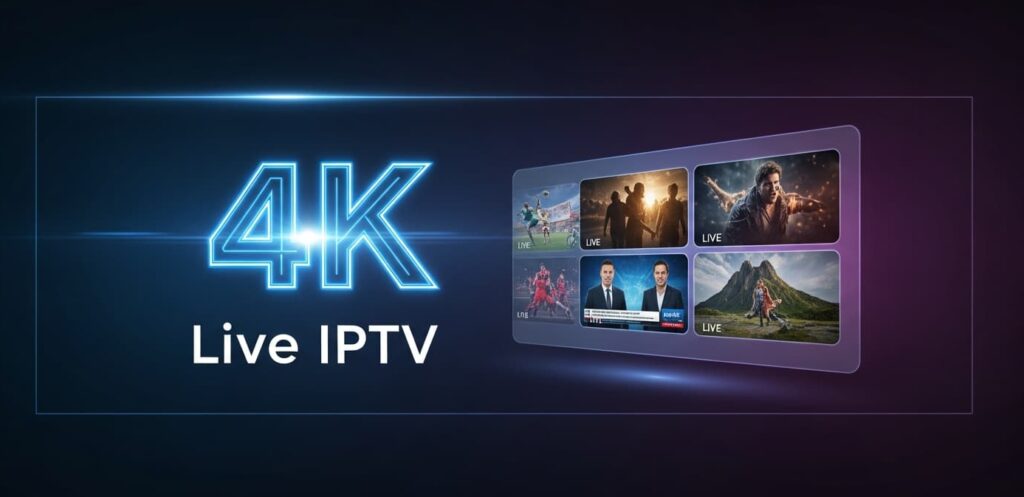
Modern IPTV providers support multiple streaming quality levels to accommodate different internet speeds and viewer preferences. Standard definition (SD) works for slower connections, high definition (HD) delivers crisp picture quality for most viewers, full HD (FHD) provides enhanced clarity, and 4K streaming offers the highest quality for premium content and compatible devices. Not all content is available in all formats, but reputable providers clearly indicate what quality levels they support.
Multi-Device Support
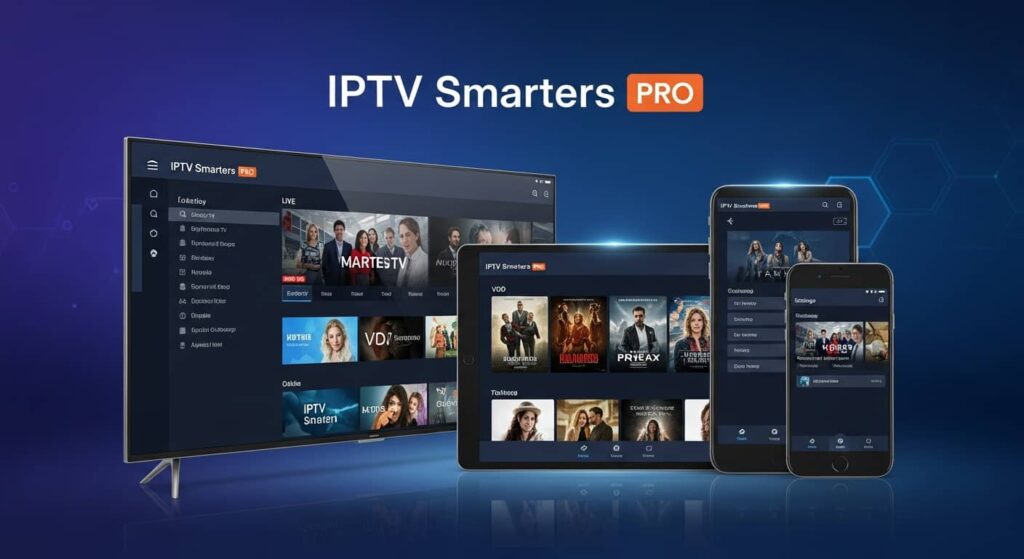
Flexibility to watch across devices is a major IPTV advantage. Providers typically support smart TVs through dedicated apps, smartphones and tablets via mobile applications, computers through web browsers or desktop apps, and streaming devices like Amazon Fire Stick, Android boxes, and Apple TV. The ease of setup and performance quality across these platforms varies considerably between providers.
Additional Features
Electronic program guides (EPG) help you navigate channel schedules and plan viewing. Recording functionality, sometimes called “catch-up” or DVR features, lets you save content for later. Multi-screen capabilities allow simultaneous viewing on multiple devices. Parental controls help manage what children can access. Quality providers like Planet of IPTV bundle these features into their service rather than charging extra for basic functionality.
How IPTV Providers Differ From Each Other
Not all IPTV providers deliver the same experience, even when their channel counts seem similar. Understanding key differentiators helps you identify providers that will actually satisfy your needs.
Content Library Size
Many providers advertise impressive numbers—”30,000 channels!” or “100,000 movies!”—but size alone doesn’t tell the full story. What matters is whether those channels include the specific content you actually want to watch. A provider with 10,000 channels that includes all your preferred sports networks, local channels, and entertainment options serves you better than one with 50,000 channels that’s missing key content.
Quality also trumps quantity. A smaller, well-maintained library with reliable streams beats a massive collection filled with dead links and poor-quality feeds. When evaluating providers, ask about specific channels you care about rather than being swayed purely by numbers.
Streaming Quality & Reliability
Server infrastructure determines whether you’ll enjoy smooth viewing or constant frustration. Reliable iptv providers invest in robust server networks with sufficient capacity to handle peak viewing times without buffering or quality degradation. Uptime percentages matter—providers with 99%+ uptime rarely experience outages, while those with frequent server issues disrupt your viewing constantly.
Buffering is the most common complaint about poor IPTV providers. If streams constantly pause to load, the problem usually lies with inadequate server capacity, not your internet connection. Quality providers maintain servers that deliver consistent performance even during high-traffic events like major sports games.
Customer Support
Support quality becomes critical when technical issues arise, and they inevitably will at some point. The difference between providers offering 24/7 support through multiple channels (WhatsApp, email, live chat) versus those with limited email-only support becomes painfully obvious when your service stops working during a big game or important show.
Real-world scenarios illustrate why this matters. Imagine your service stops working on Sunday afternoon during football season. A provider with 24/7 WhatsApp support gets you running again in minutes. A provider with email-only support that doesn’t respond on weekends leaves you frustrated for days. This difference in support quality often justifies higher pricing for premium providers.
Response time matters as much as availability. Providers who respond within minutes create vastly better experiences than those who take 24+ hours to reply. Before committing to any provider, test their support responsiveness by asking pre-sales questions and noting how quickly and helpfully they respond.
Device Compatibility
Some providers work seamlessly across all major platforms while others support limited devices or require complicated setup processes. The best providers offer dedicated apps for popular platforms, making installation straightforward. Others require manual configuration that frustrates less technical users.
Check compatibility with your specific devices before subscribing. If you primarily watch on Fire Stick, verify the provider offers a Fire Stick app or provides clear setup instructions. If you want to watch on iOS devices, confirm iOS compatibility. Assumptions about universal compatibility often lead to disappointment.
Pricing Models
Monthly subscriptions offer flexibility to cancel anytime, though per-month costs run higher. Quarterly plans reduce monthly costs while limiting you to three months. Annual subscriptions provide the best per-month value but require upfront payment and long-term commitment.
What affects pricing? Server infrastructure costs, content licensing fees, support staff expenses, and target profit margins all factor in. Suspiciously cheap providers often cut corners on infrastructure or support, while overpriced providers might charge premium rates without delivering proportional value. Research what competitors charge for similar offerings to identify fair pricing.
Trial Availability
Providers confident in their service quality typically offer trial periods—often 24 to 48 hours—so potential customers can test performance before committing. This confidence signal suggests they believe most trials convert to paid subscriptions because users are satisfied. Providers refusing trials might lack confidence in their service quality or fear customers will discover issues during testing.
Trials benefit both parties. You confirm the provider delivers promised performance, and the provider earns your business through demonstrated quality rather than marketing promises. Always prioritize providers offering trials when possible, as testing before committing protects you from disappointing purchases.
Geographic Coverage
Different providers excel in different regions. Some focus on North American content with comprehensive local channel coverage, while others specialize in European, Asian, African, or South American programming. If local channels matter to you, verify the provider includes your region’s broadcasts. If international content is priority, ensure they carry channels from your target countries.
Regional server locations also affect performance. Providers with servers geographically closer to your location typically deliver faster, more reliable streams than those operating servers exclusively in distant regions.
What to Look for in IPTV Providers
Choosing the right provider requires evaluating several critical factors that directly impact your satisfaction and viewing experience.
Channel Selection That Matches Your Needs
Start by listing the specific channels you actually watch regularly. Do you need comprehensive sports coverage, or are you primarily interested in news and entertainment? Do you watch international content from specific countries? Are certain premium channels non-negotiable?
Ask yourself these questions before evaluating providers: What sports leagues do I follow? Which news networks do I prefer? Do I need international channels, and from which countries? Are there specific entertainment networks my household can’t live without? What about children’s programming if you have kids?
Once you’ve identified must-have channels, verify potential providers include them. Don’t assume a large channel count guarantees your specific needs are covered. Many providers list their channel lineups on websites or provide them upon request, making verification straightforward.
Reliable Streaming Performance
Assess reliability before buying by researching user reviews focused on performance rather than just channel counts. Look for mentions of buffering frequency, stream quality consistency, and uptime reliability. Reviews mentioning minimal buffering and consistent HD quality indicate solid infrastructure.
Red flags for poor performance include frequent user complaints about buffering, reports of channels being down regularly, mentions of quality degradation during peak hours, and streams that frequently disconnect. Multiple reports of these issues suggest systemic problems unlikely to improve.
During any trial period, test streaming during different times of day, especially evenings when internet traffic peaks. Try multiple channels to verify consistent performance. Test on all devices you plan to use. This thorough testing reveals potential issues before you commit financially.
Quality Customer Support
Support quality matters more than people initially think. When technical issues arise—and they will occasionally, even with quality providers—responsive support makes the difference between minor inconvenience and major frustration.
Real scenarios when you need support include service suddenly stops working, you need help setting up on a new device, specific channels aren’t loading properly, billing questions arise, or you want to change subscription plans. How providers handle these situations dramatically affects your overall experience.
Good support looks like 24/7 availability when you need help, multiple contact methods including WhatsApp and email, response times measured in minutes rather than days, and helpful technical guidance rather than scripted responses. Services like Planet of IPTV that offer instant WhatsApp support demonstrate commitment to customer satisfaction that pays dividends when you need assistance.
Test support responsiveness before subscribing by asking pre-sales questions. How quickly do they respond? Are answers helpful and detailed? Do they seem knowledgeable about their service? These interactions preview what post-sale support will look like.
Compatible With Your Devices
Check compatibility before subscribing to avoid discovering afterward that your primary viewing devices aren’t supported. Most providers support popular platforms, but configurations and ease of use vary.
Common devices supported by most providers include Android devices (phones, tablets, TV boxes), Amazon Fire Stick and Fire TV, Apple devices (iPhone, iPad, Apple TV), Smart TVs with app support, Windows and Mac computers, and MAG boxes. However, support quality and setup simplicity differ significantly between providers.
Before committing, verify the provider either offers dedicated apps for your devices or provides clear setup instructions. Ask how many devices you can use simultaneously, as limits vary. Confirm whether you can easily switch between devices or if each requires separate activation.
Fair and Transparent Pricing
What’s reasonable to pay depends on what you’re getting, but general market ranges help set expectations. Budget providers typically charge $5-15 monthly, mid-tier providers run $15-25 monthly, and premium providers might charge $25-40+ monthly for comprehensive packages with extensive features.
Watch for hidden fees that inflate costs beyond advertised prices. Some providers charge extra for additional devices, premium channels, technical support, or setup assistance. Others require purchasing specific hardware or apps separately. Transparent providers disclose all costs upfront, while problematic ones surprise you with fees after signing up.
Calculate total cost including any hardware you’ll need to buy, setup fees if applicable, the monthly subscription at your preferred commitment level, and any additional charges for features you’ll actually use. This complete picture helps you compare providers accurately.
Trial or Demo Period
Testing before committing protects you from disappointing purchases and helps you verify that marketing claims match reality. During trial periods, test stream quality across different channels, verify all promised channels are actually available and working, test on all devices you plan to use, evaluate customer support responsiveness, check whether buffering occurs during peak hours, and assess electronic program guide accuracy and functionality.
Quality providers confident in their service typically offer 24-48 hour trials or even longer demo periods. If a provider refuses trials entirely, consider why they might lack confidence in letting potential customers test their service. The trial investment of $1-2 is minimal compared to committing to months of service that disappoints.
Positive User Reviews
Finding legitimate reviews requires checking multiple sources since some providers post fake positive reviews or competitors post fake negative ones. Look for reviews on independent forums, technology review sites, social media groups dedicated to cord-cutting, and Reddit communities discussing IPTV.
Warning signs in reviews include exclusively five-star ratings with generic praise, reviews posted on the same day with similar wording, reviews focusing only on price without mentioning performance, and lack of specific details about actual user experience. Legitimate reviews mention both positives and negatives, include specific details about performance and features, span different time periods showing consistent experience, and come from reviewers with posting histories beyond single reviews.
Balanced reviews from real users provide the most reliable guidance. Someone mentioning “great sports coverage but customer support could be faster” offers more credible insight than “BEST SERVICE EVER 5 STARS!!!
Red Flags When Evaluating IPTV Providers
Certain warning signs suggest you should avoid a provider entirely, regardless of attractive pricing or channel count promises.
⚠️ No Customer Support Information
Legitimate IPTV providers prominently display support contact methods on their websites and during signup. If you can’t easily find how to contact support or the provider offers no clear support channels, this suggests they don’t prioritize customer service. When issues arise—and they will—you’ll have no recourse for help. Avoid providers who hide support information or only offer generic email addresses that never respond.
⚠️ No Trial or Demo Available
While not all quality providers offer trials, complete refusal to let potential customers test service before committing raises suspicions. If a provider has confidence in their service quality, allowing short trials demonstrates that confidence. Providers who won’t let you test anything might be hiding performance issues, missing channels, or poor streaming quality. This red flag doesn’t automatically disqualify providers, but it should increase your caution.
⚠️ Suspiciously Low Prices
If a provider advertises thousands of channels plus massive on-demand libraries for $2-3 monthly when competitors charge $15-20, investigate why. Operating legitimate IPTV infrastructure costs money—servers, bandwidth, content licensing, support staff all require funding. Prices significantly below market rates suggest corners are being cut somewhere, whether in server quality, support, content legality, or reliability. Remember that if a deal seems too good to be true, it usually is.
⚠️ Vague Service Details
Professional providers clearly explain what they offer—specific channel counts, video quality options, device compatibility, features included, and terms of service. Vague descriptions like “lots of channels” or “works on most devices” without specifics suggest the provider either doesn’t know their own service well or is intentionally hiding information. Lack of transparency about what you’re actually buying should raise immediate concerns.
⚠️ Only Negative Reviews
While some negative reviews appear for even quality providers, finding exclusively bad reviews across multiple sources indicates serious problems. If every review mentions constant buffering, missing channels, non-responsive support, or sudden service terminations, believe what multiple independent users are reporting. Don’t assume you’ll be the exception who gets better service.
⚠️ Complicated Setup Process
While some technical configuration is normal, requiring extensive technical knowledge or complicated multi-step processes to get basic service running suggests poor user experience design. Quality providers streamline setup with clear instructions or dedicated apps. If setup instructions span multiple pages of technical jargon or require skills beyond basic device operation, less technical users will struggle.
⚠️ No Device Compatibility Information
Professional providers clearly list which devices their service supports, often with dedicated setup guides for each platform. If you can’t find clear information about whether your devices are compatible or the provider gives vague responses when asked, they’re either disorganized or hiding limited compatibility. Don’t assume compatibility—verify before purchasing.
How to Choose the Right IPTV Provider
Follow this systematic approach to select a provider that matches your specific needs and circumstances.
Step 1: Identify Your Needs
List the actual channels and content you watch regularly rather than what you occasionally browse. Honest assessment prevents paying for packages with content you’ll never use. Do you primarily watch sports, and if so, which leagues? What news channels do you prefer? Which entertainment networks air shows you follow? Do you need international content, and from which countries? Is on-demand content important or do you mainly watch live TV?
Write down your must-have channels and nice-to-have channels. This clarity helps you evaluate whether providers meet your actual requirements versus just offering impressive-sounding numbers.
Step 2: Check Device Compatibility
List all devices you plan to use for IPTV viewing. This might include your smart TV, Fire Stick, Android box, iPhone, iPad, laptop, or other devices. When researching providers, verify each supports all your devices either through dedicated apps or straightforward setup processes. Don’t assume universal compatibility—confirm specifically for your devices.
Step 3: Set Your Budget
Determine what you’re willing to pay monthly for IPTV service. Consider what you currently pay for cable or other streaming services as a baseline. Factor in any hardware you’ll need to purchase if you don’t already own compatible devices. Set realistic expectations—quality service costs money, but you shouldn’t overpay either.
Step 4: Research Options
Use your needs list and budget to narrow potential providers. Search for “best iptv providers” and “reliable iptv providers” to find options that match your criteria. Read detailed reviews focusing on performance aspects that matter to you. Visit provider websites to review channel lists, pricing, and features. Create a shortlist of 3-5 providers that seem promising.
Step 5: Look for Trial Offers
Among your shortlisted providers, prioritize those offering trial periods. Testing before long-term commitment protects you from expensive mistakes. Even small trial fees provide valuable insights into actual service quality versus marketing claims. If multiple shortlisted providers offer trials, test all of them to compare directly.
Step 6: Evaluate Customer Support
Contact each shortlisted provider with pre-sales questions. Ask about specific channels you need, device compatibility, technical requirements, or anything relevant to your situation. Note response times, helpfulness, and knowledge demonstrated. Providers with responsive, helpful pre-sales support typically maintain that quality post-purchase, while slow or unhelpful responses preview poor ongoing support.
Step 7: Read Recent Reviews
Focus on reviews posted within the past few months since IPTV service quality can change as providers grow, change infrastructure, or face technical challenges. Look specifically for reviews mentioning performance aspects that matter to you. If reliable sports streaming is critical, find reviews from sports fans. If international channels are priority, seek reviews from users with those needs.
Step 8: Start With Short-Term Plan
Even after trials and research, start with monthly subscriptions rather than committing to annual plans. This lets you verify long-term reliability over weeks of actual use before locking in. If performance remains solid after a month or two, you can switch to longer-term plans for cost savings. But initial monthly commitment minimizes risk if unexpected issues arise.
Common Questions About IPTV Providers
Understanding these common concerns helps you make more informed decisions about IPTV services.
How do I know if an IPTV provider is legitimate?
Legitimate providers display clear business information including contact details and support channels, offer transparent service descriptions and pricing, provide customer support that actually responds to inquiries, and maintain professional websites with detailed information. They’re transparent about what they offer and don’t make unrealistic promises about channel counts or capabilities. If a provider checks these boxes and offers trials so you can verify service quality, they’re likely operating legitimately.
Can IPTV providers see what I watch?
Like any streaming service, IPTV providers can technically track which content you access since you’re streaming through their servers. However, reputable providers focus on service delivery rather than monitoring viewing habits for purposes beyond service improvement. Privacy policies should explain what data they collect and how they use it. If privacy concerns you, read the provider’s privacy policy before subscribing and avoid providers who can’t clearly explain their data practices.
What if the provider shuts down?
Provider shutdowns happen occasionally, sometimes due to business failures, legal issues, or other reasons. This is why starting with short-term commitments makes sense—monthly subscriptions minimize financial loss if a provider suddenly closes. Providers experiencing financial or legal trouble often show warning signs like degrading service quality, support becoming unresponsive, or unexplained service interruptions. These signals suggest you should avoid long-term commitments or consider switching providers. Unfortunately, if a provider shuts down abruptly, prepaid subscriptions typically aren’t refunded.
Do all IPTV providers offer the same channels?
Channel offerings vary significantly between providers based on content licensing agreements, regional focus, and target audiences. While many providers offer overlapping popular channels, specific channel availability differs considerably. Some providers excel at sports content, others focus on international programming, and some prioritize entertainment channels. This is why verifying that specific channels you care about are included matters more than total channel counts.
Can I switch providers easily?
Switching IPTV providers is generally straightforward since you’re not locked into infrastructure like cable connections. If you’re dissatisfied with your current provider, you simply stop paying them and subscribe to a new one. Your viewing devices remain the same—you just install the new provider’s app or configure their service instead. The main consideration is timing your switch to minimize overlap payments if both providers charge monthly. Unlike traditional cable, IPTV flexibility lets you change providers easily if your current one disappoints.

Q: What is an IPTV provider?
An IPTV provider is a company that delivers television content over the internet rather than through traditional cable lines or satellite signals. They maintain servers that stream live TV channels and on-demand content to your devices through your internet connection. Think of them as the digital alternative to cable companies.
Q: How many IPTV providers are there?
Hundreds of IPTV providers operate globally, ranging from large established services to small regional providers. The exact number constantly changes as new providers enter the market and others close. This abundance of choice makes researching options important to find reliable providers that meet your needs.
Q: Are all IPTV providers legal?
IPTV technology itself is completely legal. However, legality depends on whether providers have proper licensing for the content they distribute. Legitimate providers obtain appropriate broadcasting rights, while some providers operate illegally by distributing content without authorization. Research providers thoroughly and prioritize those operating transparently with proper business credentials.
Q: What’s the average cost of IPTV providers?
IPTV service typically costs between $10-30 monthly depending on channel selection, features, and service quality. Budget providers might charge $5-15 monthly, while premium services with extensive channels, better support, and additional features run $20-40+ monthly. Many providers offer discounts for quarterly or annual commitments.
Q: Can I use multiple IPTV providers?
Yes, you can subscribe to multiple IPTV providers simultaneously if you want. Some users maintain subscriptions to different providers specializing in different content—one for sports, another for international channels, for example. However, most people find one comprehensive provider sufficient once they identify one matching their needs well.
Q: How do I contact IPTV providers?
Most IPTV providers offer multiple contact methods including email support, live chat on their websites, and messaging through platforms like WhatsApp or Telegram. Quality providers display contact information prominently and respond quickly to inquiries. Before subscribing, test their support responsiveness by asking questions through their available channels.
Conclusion
Choosing among the hundreds of iptv providers in today’s market requires understanding what truly matters for your viewing experience. Channel counts and flashy marketing don’t tell the full story—streaming reliability, responsive customer support, device compatibility, and actual content that matches your viewing preferences determine whether you’ll be satisfied long-term.
The key takeaways for selecting quality IPTV providers focus on practical evaluation: test services through trial periods when available, verify customer support responsiveness before committing, confirm your specific devices are compatible, and read recent reviews from real users rather than relying on marketing claims. These steps protect you from disappointing purchases and help you find providers that deliver consistent value.
Ready to Experience Premium IPTV Service?
Planet of IPTV embodies everything we’ve discussed in this guide about quality IPTV providers. With 30,000+ live channels and 100,000+ VOD titles, we offer the comprehensive content library you need. Our service works flawlessly on all devices—whether you stream on smart TVs, phones, tablets, or computers.
What truly sets us apart is our commitment to customer satisfaction:
✅ Test Before You Commit – Try our service for just $1.50/day with our risk-free trial
✅ 24/7 Support Via WhatsApp & Email – Get instant help whenever you need it
✅ Universal Device Compatibility – Works on every platform you own
✅ Custom Solutions – Don’t see something you need? Chat with us—we’ll make it happen
We practice what this guide preaches: trials before commitment, responsive support, transparent service details, and putting customer needs first. Our team is ready to answer your questions via WhatsApp right now, ensuring you get exactly what you’re looking for.
Ready to elevate your streaming experience? Visit Planet of IPTV today and start your $1.50 trial. Test our service, experience our instant support, and discover why informed customers choose quality over empty promises.
Don’t settle for mediocre service. Your perfect IPTV solution is just one conversation away—chat with us on WhatsApp and let’s find exactly what you need.